

Renting vs. Buying Property in Makhanda?: Key Considerations
Comprehensive Overview of Property Choices in Makhanda
What Types of Properties Can You Find in Makhanda?
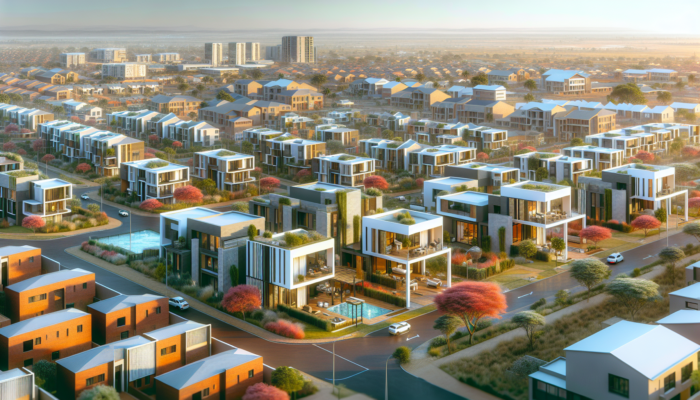
Makhanda presents a diverse array of entry-level property options, designed to meet the varying needs and budgets of its residents. The primary types of properties available comprise apartments, townhouses, and detached homes. Typically, apartments feature one to two bedrooms and are strategically located near essential amenities such as shops, schools, and public transport. In contrast, townhouses offer a perfect balance of affordability and community living, usually comprising two to three bedrooms and shared facilities, making them ideal for families or those seeking a sense of community. Detached homes vary widely in size, often catering to families who desire more space and privacy.
Recent market trends indicate a consistent demand for these property types, as first-time buyers and renters are drawn to Makhanda’s vibrant community and rich historical context. The affordability aspect is particularly significant, making this location appealing for newcomers eager to establish roots. Below is a summary of key property types along with their typical sizes:
- Apartments: 1-2 bedrooms, 50-80 square metres
- Townhouses: 2-3 bedrooms, 80-120 square metres
- Detached homes: 3-4 bedrooms, 100-200 square metres
- Flats: 1-2 bedrooms, 40-70 square metres
- Shared accommodation: Varies, usually 1-2 bedrooms per tenant
Grasping these various options is crucial for potential buyers and renters who aim to navigate Makhanda’s property market effectively and make informed decisions.
How Do Entry-Level Property Prices Differ Across Locations?
The entry-level property prices in Makhanda can experience considerable fluctuations based on several factors, including proximity to essential amenities, local economic conditions, and historical influences. Areas closer to the city centre, like Grahamstown East and Grahamstown West, typically command higher prices due to their accessibility to schools, public transport, and shopping facilities, making them attractive for families and professionals alike. Conversely, suburbs located further out may present more affordable options, appealing to budget-conscious buyers and renters who are seeking more spacious living arrangements.
Additionally, historical influences can significantly impact pricing. Certain neighbourhoods may have undergone gentrification or experienced increased demand due to urban development plans, which can affect market dynamics. Prospective buyers are encouraged to conduct thorough research on recent sales data and local trends to better understand the price range in their desired neighbourhoods. Practical budgeting advice includes setting aside funds for unexpected expenses and gaining a clear understanding of the total cost of living in a chosen area to ensure financial stability.
What Maintenance Responsibilities Are Associated with Property Ownership?
Owning property in Makhanda entails specific maintenance responsibilities that can affect the choice between renting and buying. Homeownership typically requires buyers to manage repairs, regular upkeep, and utility costs independently. Common obligations include maintaining gardens, addressing plumbing issues, and ensuring that all appliances are functioning correctly. These responsibilities can add to the overall cost of ownership, making it essential for buyers to incorporate them into their long-term financial planning.
In contrast, renters generally face fewer maintenance obligations, as the landlord typically handles major repairs and maintenance tasks, relieving tenants of these responsibilities. However, it remains important for renters to stay aware of minor upkeep tasks, such as maintaining cleanliness and promptly reporting issues. Understanding these differences can assist potential buyers and renters in Makhanda in making informed decisions about their housing options and responsibilities.
How Does the Renting Process Operate in Makhanda?

What Steps Should You Take to Secure a Rental Property?
Securing a rental property in Makhanda involves several critical steps that prospective tenants should follow to ensure a smooth and efficient process. Initially, it is advisable to conduct comprehensive research on available properties within your budget and preferred neighbourhoods. Various resources, including online platforms, local newspapers, and real estate agents, can provide valuable listings that meet your criteria. Once a suitable property has been identified, prospective tenants should arrange viewings to evaluate the condition, amenities, and overall suitability of the property for their needs.
Following a successful viewing, if you decide to move forward, the next step entails negotiating lease terms with the landlord or agent. This negotiation typically includes discussing the rental price, lease duration, and any conditions related to maintenance or utility payments. It is essential to meticulously read and understand the lease agreement before signing, ensuring that your rights as a tenant are protected in accordance with local regulations. This understanding should encompass any deposit requirements and the process for returning the deposit at the end of the tenancy to avoid disputes.
Common pitfalls to avoid include failing to document the property’s condition upon moving in or neglecting to clarify terms regarding repairs and maintenance responsibilities. Being aware of your rights and responsibilities as a tenant is crucial for avoiding potential disputes during your rental period.
Are There Notable Benefits to Renting in Terms of Flexibility?
Renting in Makhanda offers significant advantages, especially regarding flexibility. One of the primary benefits is the lower initial financial commitment compared to purchasing property. Typically, tenants are responsible only for a deposit and monthly rent, allowing for easier budgeting and financial planning, particularly for individuals in transitional life stages, such as students or young professionals exploring their career paths.
Moreover, renting allows for greater mobility. Tenants can easily relocate for job opportunities or personal reasons without being tied down by the long-term commitment associated with homeownership. This adaptability is particularly appealing in Makhanda, where job markets and personal circumstances can shift quickly. Additionally, renting provides the opportunity to explore various neighbourhoods and property types as needed, offering diverse living experiences without the burden of a fixed asset.
The absence of long-term commitment also means that during uncertain economic times or personal transitions, renters can reassess their living situation without the significant implications of having to sell a property, making renting a pragmatic choice for many.
What Are the Typical Rental Costs You Can Expect?

In Makhanda, the average rental costs for entry-level properties can vary significantly based on location, size, and property condition. Generally, monthly rents for one-bedroom apartments can range from R4,000 to R6,500, while two-bedroom apartments typically fall between R6,500 to R9,000. Townhouses and smaller detached homes may command higher rents, especially in desirable neighbourhoods where demand is greater.
Factors influencing these rental prices include proximity to amenities, property condition, and overall demand in the rental market. To navigate rental costs effectively, potential tenants should consider negotiating terms with landlords, particularly if they are planning to rent for an extended period. This negotiation could involve discussions about reduced rental prices for longer leases or including utilities in the rental agreement, providing further financial benefits.
Understanding the local market and being prepared to act swiftly when a suitable property becomes available are crucial strategies for securing the best possible rental agreement in Makhanda.
Expert Insights on the Benefits of Renting Versus Buying Property in Makhanda
What Real-Life Examples Highlight the Benefits of Buying Property?
Local experts in Makhanda emphasise numerous advantages associated with property ownership, particularly for first-time buyers. For instance, a couple who purchased a modest townhouse in Salem in 2020 has seen their property value rise significantly, allowing them to build equity and secure a stable financial future. This case illustrates how strategic buying can yield long-term financial benefits, especially in a market where demand remains steady.
Moreover, experts advise potential buyers to consider the capacity to customise their properties. Homeowners have the opportunity to renovate or improve their homes to increase market value and better suit their personal lifestyles. This flexibility not only enhances living conditions but can also yield substantial financial returns when it comes time to sell the property.
Purchasing property in Makhanda also provides stability in housing costs, as mortgage payments often remain fixed over time, shielding owners from the rising rental costs that can significantly affect tenants. This long-term financial predictability is a crucial advantage for many individuals considering their housing options.
How Do Experts Assess the Long-Term Value of Property Ownership?
Experts often evaluate the long-term value of property ownership in Makhanda through meticulous analysis of market trends and economic indicators. Historical data suggests that real estate values in specific areas, such as the Rhodes University vicinity, have appreciated consistently over the past decade, driven by factors like student demand and ongoing urban development.
Real-world examples of property appreciation include a family who purchased a three-bedroom house in Makhanda Central. After five years, they experienced a property value increase of over 30%, demonstrating the long-term investment potential of buying in this area. This appreciation becomes particularly relevant in locations where infrastructure improvements and community development initiatives are underway, creating a favourable environment for property investment.
When comparing the merits of renting versus buying, experts highlight the importance of assessing personal circumstances. Homeownership can often be a more financially viable option in the long run, particularly for those planning to stay in Makhanda for an extended period. By analysing local property trends alongside personal financial situations, prospective homeowners can make informed decisions that align with their long-term investment goals.
What Guidance Do Professionals Offer for First-Time Buyers?
For first-time buyers in Makhanda, industry professionals recommend commencing with a thorough understanding of the local market and financial landscape. Engaging with a local real estate agent can provide invaluable insights into current trends, pricing, and neighbourhood dynamics, assisting newcomers in finding properties that suit their needs and aspirations.
A critical piece of advice is to assess financial readiness comprehensively. This involves evaluating credit scores, ensuring sufficient savings for a deposit, and understanding associated costs such as transfer duties and legal fees. Professionals stress the importance of preparing for potential challenges, including fluctuating interest rates and market volatility, which can influence long-term financial plans.
Additionally, first-time buyers should consider potential future developments in Makhanda that may impact property values. Being aware of planned infrastructure projects or economic initiatives can provide valuable context for investment decisions. Understanding both the risks and rewards of property ownership will empower newcomers to navigate the market with confidence and clarity.
What Advantages Do Experts Highlight for Renting in Makhanda?
Local experts emphasise several benefits of renting in Makhanda that appeal to various demographics, particularly students and young professionals. Renting offers enhanced flexibility, allowing individuals to relocate with ease, a crucial factor in a vibrant city like Makhanda, where opportunities can arise quickly and unexpectedly.
Furthermore, renters face fewer financial risks compared to homeowners. Without the burdens of maintenance, property taxes, and substantial upfront costs, tenants can allocate their funds towards other important areas of life, such as education or travel. This adaptability aligns well with the lifestyle of many residents who prefer to maintain a certain level of mobility and responsiveness.
The rental market in Makhanda also provides diverse options that cater to a range of budgets and preferences. From modern apartments to charming townhouses, renters can select properties that suit their personal lifestyles and needs, making it easier to find a home that resonates with them, all without the long-term commitment associated with ownership.
What Are the Financial Implications of Renting Versus Buying?
How Does Buying Property Affect Monthly Budgeting?
When contemplating the financial implications of buying property in Makhanda, it is crucial to analyse how mortgage payments and associated costs impact monthly budgeting. Homeowners typically face monthly mortgage repayments that encompass both principal and interest, alongside additional expenditures like property taxes, homeowners’ insurance, and maintenance expenses.
For many first-time buyers, these monthly financial obligations can be higher than initially anticipated. It is essential to account for not only the mortgage payment but also to establish an emergency fund for unexpected repairs and utility costs, which renters may not have to factor into their budgets. While homeownership can lead to increased financial stability over the long term, it necessitates careful planning and discipline to manage monthly expenses effectively.
Moreover, buyers should consider potential fluctuations in interest rates, which can impact mortgage affordability significantly. With fixed-rate mortgages, homeowners benefit from predictable monthly payments, while variable rates may lead to unpredictable costs. Understanding these parameters is vital for building a sustainable financial future and ensuring that homeownership remains a viable option.
What Hidden Costs Should Renters Be Aware Of?
Renting in Makhanda may initially appear more straightforward than purchasing property, but there are hidden costs that tenants should consider when budgeting for their housing needs. These costs can encompass utility bills, which may not always be included in the rent, and can vary significantly based on usage and specific property arrangements.
Additionally, renters may face extra fees such as maintenance charges for communal areas, insurance for personal belongings, and costs associated with moving. It is crucial to account for these expenses when calculating the overall cost of renting, as failing to budget for them can lead to financial strain and unexpected challenges.
Another often-overlooked expense involves security deposits, which landlords typically require before moving in. Understanding the terms surrounding the return of this deposit at the end of the lease is critical, as disputes can arise if the property is not adequately maintained during the rental period. Being prepared for these hidden costs ensures that tenants can budget effectively throughout their rental experience.
Is Buying Property a More Cost-Effective Option Over Time?
When evaluating whether buying property in Makhanda is more cost-effective over the long term compared to renting, several factors come into play. Generally, purchasing a home is perceived as a long-term investment that can yield substantial financial returns through property appreciation and equity build-up over time.
Local data indicates that homeowners in Makhanda frequently experience a steady increase in property values, particularly in sought-after areas. For instance, properties situated near educational institutions have demonstrated consistent appreciation, offering owners potential profits should they decide to sell in the future. This contrasts with renting, where monthly payments contribute to a landlord’s equity rather than the tenant’s financial future.
However, the costs associated with homeownership, such as maintenance and property taxes, must also be considered. Over time, these costs can accumulate, making it essential for buyers to weigh the long-term benefits against immediate financial implications. For many individuals, understanding their long-term plans and financial goals is key to determining if buying property is indeed the more cost-effective option in Makhanda.
How Do Interest Rates Influence Property Purchases?
Interest rates play a pivotal role in property purchases in Makhanda, significantly influencing mortgage affordability and overall financial planning. When interest rates are low, buyers can secure more favourable mortgage terms, thereby reducing monthly payments and the total interest paid over the life of the loan. Conversely, elevated interest rates can substantially increase the cost of home loans, prompting many potential buyers to reconsider their options.
Understanding the distinctions between fixed and variable interest rates is essential for prospective homeowners. Fixed rates provide stability, ensuring that monthly payments remain constant throughout the loan period, while variable rates may fluctuate based on economic conditions, potentially leading to unexpected costs for borrowers.
To effectively manage the impacts of interest rates, buyers should consider strategies such as locking in rates when they are low or refinancing existing loans if rates decrease. This proactive approach can help secure financial stability and minimise costs over time, enabling homeowners to maximise their investment within Makhanda’s property market.
What Insurance Costs Should Buyers and Renters Consider?
When navigating the property market in Makhanda, understanding insurance costs is essential for both buyers and renters. Homeowners typically need to secure homeowners’ insurance, which covers the structural aspects of the property, personal belongings, and liability in case of accidents. This insurance is a critical component of financial protection and can vary based on property value and geographical location.
For renters, securing contents insurance is advisable to protect personal belongings against theft or damage. While this may not be a legal requirement, it provides peace of mind, particularly in shared accommodation settings. The cost of insurance for both buyers and renters can differ significantly; therefore, it is vital to shop around for the best policies and coverage options available in the market.
Incorporating these insurance costs into monthly budgets ensures that both homeowners and renters can manage their finances effectively while protecting their investments and personal assets. Being well-informed about these expenses contributes to a more comprehensive financial strategy, enhancing overall sustainability in property ownership or rental in Makhanda.
Research-Backed Insights on Renting Versus Buying Property in Makhanda
What Studies Highlight Renting’s Lifestyle Advantages?
Research conducted within Makhanda underscores the lifestyle benefits associated with renting, particularly for younger demographics. Many studies indicate that renters report higher levels of satisfaction regarding their living arrangements, attributing this to the flexibility and reduced stress that renting provides. For example, a local survey highlighted that renters often feel less pressure to maintain a property, allowing for a more carefree lifestyle, especially during transitional phases such as moving for education or career opportunities.
Moreover, renting can foster a stronger sense of community. Tenants frequently find themselves in neighbourhoods with diverse populations, promoting social interactions and connections. This aspect is particularly pronounced in Makhanda, where vibrant community events and cultural festivals occur throughout the year, allowing renters to engage and participate without the long-term commitment of homeownership.
Additionally, renting can enhance financial freedom, enabling individuals to allocate funds towards personal growth, hobbies, or further education, thereby enriching their overall life experience. Such insights offer valuable perspectives for those contemplating their living arrangements in Makhanda and seeking a fulfilling lifestyle.
How Does Buying Contribute to Wealth Building?
Studies focused on property ownership in Makhanda demonstrate that buying property significantly contributes to wealth building over time. Homeownership allows individuals to build equity, which serves as a long-term financial asset. For instance, a family that purchased a home in Fort Hare was able to benefit from significant value appreciation over ten years, translating into a substantial profit margin when they decided to sell their property.
Moreover, owning property can also provide potential tax advantages, depending on local regulations. Homeowners may be eligible for deductions on mortgage interest and property taxes, further enhancing the financial benefits of ownership. Additionally, owning a home often results in more stable living costs, as mortgage payments can be fixed, whereas rental prices may increase annually, providing predictability in budgeting.
The combination of equity growth, potential tax benefits, and stability makes buying an attractive option for those looking to build long-term wealth in Makhanda’s property market.
Are There Researched Drawbacks to Each Option?
Both renting and buying in Makhanda come with potential drawbacks that should be carefully considered. For buyers, one significant concern is market volatility. Property values can fluctuate based on various economic factors, and homeowners may face challenges if they need to sell during a downturn. This situation can lead to financial loss if the market does not rebound quickly, making homeownership a potentially risky investment in certain circumstances.
Conversely, renting presents its challenges as well. Tenants may experience instability in housing arrangements, especially if landlords decide to sell or change rental terms. This uncertainty can disrupt personal plans and require individuals to move unexpectedly. Additionally, renters may find themselves continually facing rising rental costs, which can limit their long-term financial planning and stability.
Understanding these potential pitfalls is vital for both prospective buyers and renters in Makhanda, as this awareness allows them to prepare for challenges and make informed decisions regarding their living situations and financial futures.
Which Option Provides Greater Sustainability?
What Environmental Factors Influence Renting Choices?
Environmental sustainability is an increasingly critical consideration when choosing between renting and buying in Makhanda. Rental properties can align with sustainable living principles, particularly if they incorporate energy-efficient features such as solar panels, LED lighting, and water-saving fixtures. Many landlords are now investing in these upgrades to attract environmentally conscious tenants and reduce utility costs, thereby promoting sustainable living practices within the community.
Additionally, renters often have the opportunity to select properties that prioritise sustainability, such as those located near public transport or within walking distance of essential services. This proximity not only reduces reliance on vehicles but also encourages a more active lifestyle, contributing positively to personal health and environmental well-being.
Furthermore, participating in community initiatives like recycling programmes or local sustainability projects can further enhance the environmental impact of renting. Engaging in these activities fosters a sense of community responsibility, making renting a viable choice for those prioritising sustainable living in Makhanda.
How Does Buying Promote Long-Term Stability?
Buying property in Makhanda is often associated with long-term stability, primarily through the establishment of a permanent home. Homeownership allows families to establish roots within the community, fostering connections that contribute to a sense of belonging and stability. This aspect is particularly relevant for families seeking to provide consistent schooling and social experiences for their children, reinforcing the importance of stability in their upbringing.
Moreover, owning property offers the opportunity to invest in improvements that enhance the home’s value and sustainability. Homeowners can implement energy-efficient upgrades, landscaping, and other enhancements that not only increase property value but also contribute to a sustainable living environment. This commitment to long-term improvements can benefit both homeowners and the community by promoting a culture of responsible property stewardship and environmental consciousness.
Additionally, owning a home often provides a sense of security against rising rental costs, which can fluctuate significantly in Makhanda’s rental market. This financial predictability further enhances the stability associated with homeownership, making it a compelling option for many families and individuals.
Is One Choice Better for Future-Proofing Your Living Situation?
When assessing whether renting or buying is better for future-proofing in Makhanda, it is essential to consider personal goals alongside market conditions. Renting offers flexibility, which is beneficial in an ever-changing economic landscape. Individuals who anticipate shifts in their career or personal lives may find that renting allows them to adapt without the burdens of ownership, enabling a more fluid approach to living arrangements.
Conversely, buying property can serve as a long-term investment strategy that may provide greater financial security. Homeownership often appreciates over time, contributing to personal wealth and offering options for leveraging equity in the future. For example, a homeowner in Makhanda could refinance their property to fund further investments or support other financial objectives, enhancing their overall financial strategy.
Ultimately, the best choice for future-proofing depends on individual circumstances, such as career stability, financial goals, and personal preferences. Understanding local market trends and aligning them with personal objectives can assist individuals in making informed decisions that suit their future needs and enhance their overall quality of life.
How Do Energy Costs Impact Sustainability in Makhanda?
Energy costs significantly impact the sustainability of both renting and buying properties in Makhanda. Homeowners often have the leverage to invest in renewable energy solutions, such as solar panels and energy-efficient appliances, which can drastically reduce energy consumption and long-term costs. These investments not only lower utility expenses but also contribute to environmental sustainability by decreasing reliance on fossil fuels and promoting cleaner energy sources.
Renters may have limited control over energy improvements in their properties, but many are increasingly seeking rentals that prioritise energy efficiency. Properties equipped with modern insulation, energy-efficient HVAC systems, and smart home technologies can offer substantial savings on utility bills, making them attractive options for environmentally conscious tenants looking to minimise their carbon footprint and energy expenses.
Additionally, the rising costs of energy in South Africa underscore the importance of sustainability in housing choices. Both renters and buyers can benefit from adopting energy-efficient practices, such as reducing waste and utilising renewable resources, ultimately enhancing their financial and environmental sustainability in Makhanda.
What Role Does Community Involvement Play in Sustainable Housing?
Community involvement is a vital aspect of sustainable housing in Makhanda, influencing both renting and buying dynamics. Engaging in local environmental programmes fosters a sense of shared responsibility among residents, encouraging collective efforts to promote sustainability within the community. Initiatives such as community gardens, recycling schemes, and clean-up projects enhance community ties while addressing environmental concerns and promoting a culture of sustainability.
For renters, participating in these initiatives can lead to a more fulfilling living experience, as they become part of a community committed to sustainability. This involvement not only enhances their social network but also reinforces a culture of environmental consciousness within the neighbourhood, making renting an appealing option for those prioritising community engagement.
Homeowners, on the other hand, often take a more vested interest in their communities, as their property values are directly tied to the well-being of the area. By engaging in local sustainability projects, homeowners can contribute to improving their surroundings, ultimately benefiting their property investments and the community as a whole. Both renting and buying can foster a culture of community involvement, which plays a critical role in achieving broader sustainability goals and strengthening social ties among residents in Makhanda.
Final Considerations on Property Choices
What Personal Factors Should Influence Your Property Decision?
When deciding between renting and buying property in Makhanda, personal factors play a pivotal role in shaping the best choice for your unique circumstances. Key considerations such as job stability, personal goals, and lifestyle preferences can significantly impact your housing decision. For instance, individuals in stable employment with long-term plans may find homeownership more appealing due to its potential financial benefits and stability.
Conversely, those with dynamic careers or individuals anticipating significant life changes may prefer the flexibility that renting offers. This adaptability allows for a more fluid approach to living arrangements, accommodating shifts in job locations or personal circumstances without the burdens associated with homeownership and long-term commitments.
Ultimately, assessing your current situation and future aspirations is crucial in making an informed decision about whether to rent or buy a property in Makhanda, ensuring that your choice aligns with your financial goals and lifestyle preferences.
How Can You Assess Your Readiness to Buy a Property?
Assessing your readiness to buy property in Makhanda involves a thorough evaluation of your financial situation and personal preparedness. Begin by reviewing your credit score, as a stronger score can lead to better mortgage rates and terms, which can significantly impact your overall financial commitments. Additionally, consider your savings for a deposit, which typically ranges from 5% to 20% of the property’s value, depending on the financing options available. Having a solid savings plan demonstrates financial responsibility and readiness for homeownership.
It is also vital to account for ongoing costs associated with property ownership, such as maintenance, property taxes, and insurance. Understanding these financial commitments will help you gauge whether you can sustain homeownership in the long term, ensuring that you are prepared for the responsibilities that come with it.
Lastly, reflect on your lifestyle and commitment to the Makhanda area. If you envision a long-term future in the community and feel financially prepared, taking the step to buy may align well with your goals and aspirations, enhancing your overall quality of life.
Why Might Renting Be the Smarter Short-Term Move?
Renting can be the smarter short-term move for various reasons, particularly during transitional phases of life in Makhanda. For young professionals or students, renting offers immediate housing solutions without the substantial financial commitments that come with homeownership. This flexibility is ideal for those exploring job opportunities or considering further education, allowing them to remain agile in a changing environment.
Moreover, renting eliminates the burden of maintenance and property management, enabling individuals to focus on personal and professional goals. The lower upfront costs associated with renting, such as deposits instead of down payments, make it a practical option for those who prefer to allocate funds towards other ventures or experiences.
Finally, renting positions individuals to better assess the Makhanda property market before making a long-term commitment. This approach allows for a trial period in various neighbourhoods, helping renters decide where they might want to settle in the future while gaining valuable insights into the community and its offerings.
What Long-Term Factors Should Shape Your Property Strategy?
When formulating a long-term property strategy in Makhanda, individuals should consider various evolving personal circumstances, including career progression, family growth, and financial stability. As careers develop, the need for space may change, prompting a reassessment of living arrangements. Additionally, family expansion often necessitates a larger home, which should be factored into long-term planning to ensure that housing needs are met.
Market trends should also play a pivotal role in shaping property strategies. Monitoring property values and regional developments can help anticipate future opportunities or threats in the housing market. Understanding the potential for appreciation in property values, particularly in well-located areas, can guide investment decisions and enhance the overall financial return on property investments.
Furthermore, sustainability considerations should be incorporated into long-term planning. Evaluating energy efficiency, environmental impact, and community involvement can enhance both personal satisfaction and property value. By taking these factors into account, individuals can develop a balanced strategy that aligns with both their financial goals and lifestyle aspirations, ensuring a sustainable approach to property ownership or rental in Makhanda.
Frequently Asked Questions
What Are the Average Rental Costs in Makhanda?
Average rental costs in Makhanda for entry-level properties range from R4,000 to R6,500 for one-bedroom apartments, while two-bedroom options typically range from R6,500 to R9,000, depending on location and property condition.
What Are the Key Benefits of Renting?
Renting offers flexibility, lower upfront costs, and reduced maintenance responsibilities, making it ideal for individuals in transitional stages of life or those seeking mobility for career opportunities.
How Can I Assess My Readiness to Buy a Home?
Assess your financial readiness by reviewing your credit score, savings for a deposit, and understanding the ongoing costs of homeownership, including maintenance, taxes, and insurance.
What Should I Consider When Choosing a Neighbourhood in Makhanda?
Consider factors like proximity to amenities, public transport, safety, and community dynamics when choosing a neighbourhood in Makhanda to ensure it aligns with your lifestyle and needs.
Are There Hidden Costs of Renting I Should Be Aware Of?
Yes, renters should be aware of potential hidden costs such as utility expenses, maintenance charges for communal areas, moving costs, and any security deposits required by landlords.
What Maintenance Responsibilities Do Homeowners Have?
Homeowners are typically responsible for all property maintenance, including repairs, landscaping, and utility management, which can add to their overall financial obligations.
Is Buying Property a Good Long-Term Investment?
Yes, buying property can be a good long-term investment as it allows for equity buildup and potential appreciation in property value, particularly in stable markets like Makhanda.
How Do Interest Rates Affect My Mortgage Payments?
Interest rates significantly impact mortgage payments; lower rates can reduce monthly payments, while higher rates can increase costs. Fixed-rate mortgages provide stability, while variable rates may fluctuate.
What Are the Advantages of Buying Over Renting?
Buying offers long-term stability, the ability to build equity, potential tax benefits, and the freedom to customise your property according to your preferences and needs.
What Community Initiatives Can I Participate in as a Renter or Homeowner?
Both renters and homeowners can engage in local sustainability initiatives, such as recycling programmes, community gardens, and clean-up events, fostering a sense of community and shared responsibility for the environment.